The short version
- HD-2D is an art style that puts 2D pixel-art characters inside fully 3D environments.
- Modern effects, mainly depth of field, dynamic lighting and shadows, make the scene look like a miniature model set.
- Square Enix created it for Octopath Traveler in 2018, and the company has trademarked the name.
- Final Fantasy Resonance, out October 22, is the first Final Fantasy to use it, and it sits at 85 on OpenCritic.
The three layers
An HD-2D scene is built from three parts working together.
Pixel sprites. Characters, and often trees and props, are flat 2D pixel art, like a SNES game. They're placed in the world like cardboard cut-outs that always face the camera. That's a trick called billboarding, and it's what keeps the sprites from looking paper-thin when the camera turns.
A 3D world. The towns, dungeons and landscapes around them are real 3D environments, so the camera can pan, zoom and swing around corners. That's the big difference from older "2.5D" games, which usually used flat painted backgrounds.
Modern effects. This is what sells it. A strong tilt-shift blur softens the top and bottom of the screen, which is the same trick photographers use to make real cities look like toy models. Light sources make sprites cast shadows, water reflects them, and bloom, fog and particles add atmosphere.
 Image: Square Enix
Where it came from
Square Enix's Team Asano, led by producer Tomoya Asano, built the style with developer Acquire while making Octopath Traveler. Early prototypes reportedly used sprites from Final Fantasy VI. Acquire built the game in Unreal Engine 4, which let a small team get modern lighting without writing it all themselves.
Octopath Traveler launched on Switch in 2018 and sold well beyond expectations, which turned a one-off look into a house style. Square Enix filed trademarks for "HD-2D" in 2019. It owns the name, but not the look, so other studios have made games with a similar style.
Games that use it
 Image: Zerocade
- Octopath Traveler (2018) and Octopath Traveler II (2023)
- Triangle Strategy and the Live A Live remake (both 2022)
- Dragon Quest III HD-2D Remake (2024) and Dragon Quest I & II HD-2D Remake (2025)
- Final Fantasy Resonance (October 22, 2026)
Third-party games such as Eiyuden Chronicle: Hundred Heroes use a similar look without the official name.
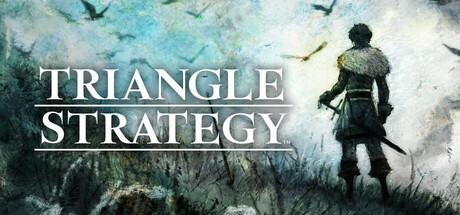 Image: Square Enix
How Final Fantasy Resonance landed
 Image: Zerocade
Resonance has a Top Critic Average of 85 on OpenCritic from 99 critics, with 90% recommending it. COGconnected gave it 9.5 and called it its game of the year so far, Game Informer gave 9, and IGN and Nintendo Life 8. Not everyone was won over: GameSpot gave 7, and Eurogamer and VGC 3/5, with VGC calling it "just isn't an essential experience". Famitsu scored it 36/40.
Famitsu puts the main story at 20 to 30 hours, and about 70 hours for everything. It's out on PS5, Xbox Series X|S, Switch, Switch 2 and PC, priced at ₹3,499 on Steam in India ($49.99 in the US). Our Final Fantasy Resonance story has the India price and launch details.
Why studios like it
It lets a game keep the charm of pixel art while still looking current on a 4K TV. Sprites are usually cheaper to make than detailed 3D characters, and a small team can fill a big world with them. On paper, that makes it a good fit for remakes of older RPGs, which explains why so many Dragon Quest and Final Fantasy projects have gone this way.
The style's limits are the flip side of its strengths. Sprites can't show detailed facial expressions, so HD-2D games lean on portraits, voice acting and text for big story moments. For turn-based RPGs that's a fair trade, and Resonance's reviews suggest it still works.