The short version
- An unreleased AMD chip with six cores, twelve threads and 24GB of LPDDR5 memory showed up in an OpenBenchmarking listing on October 24.
- Its ID points to Zen 6, AMD's next CPU design. It may belong to a chip family a leaker has called Gainsborough, said to pair Zen 6 with RDNA 5 graphics.
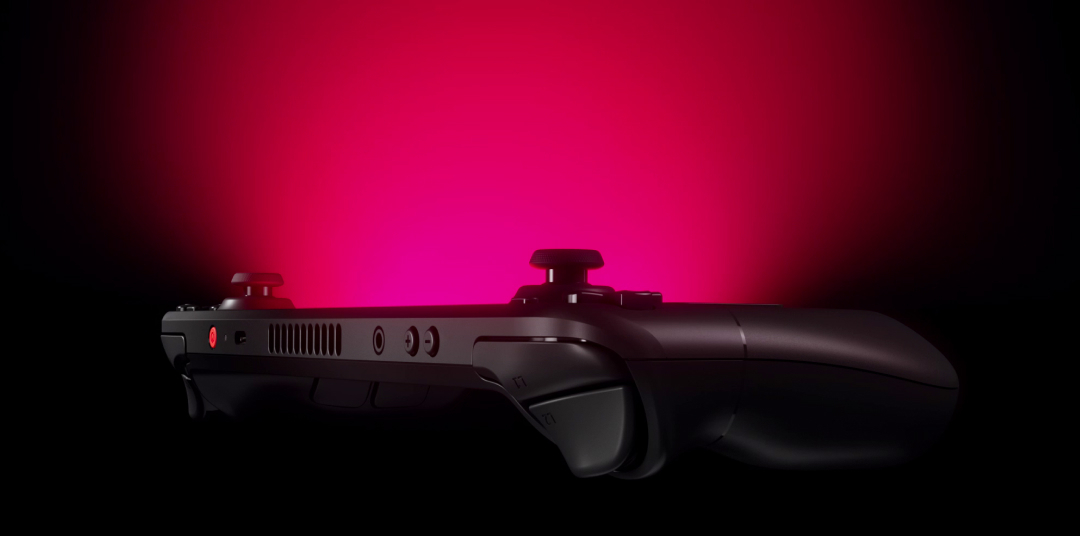
- People think it's for a Steam Deck 2 or another handheld. That part is speculation. AMD and Valve haven't confirmed it.
- The Steam Deck isn't officially sold in India, so a successor's local price is anyone's guess.
What leaked
Tom's Hardware found the listing. The chip is an engineering sample, part number 100-000001930-12_Y, tested on a development board running Ubuntu. Here's what it shows:
- CPU: 6 cores and 12 threads at 2.4GHz. The microcode reports AMD Family 1Ah, model DCh, a range linked to Zen 6. It's not clear whether these are full Zen 6 cores or the smaller, denser Zen 6c type.
- Memory: 24GB of LPDDR5 at 9,600 MT/s, from four 6GB SK Hynix chips.
- Graphics: a built-in GPU at 2,400MHz. Its design and size aren't listed.
How that compares to the Steam Deck
 Image: Zerocade
The current Steam Deck has a four-core, eight-thread Zen 2 CPU, an 8-unit RDNA 2 GPU and 16GB of memory at 6,400 MT/s. On paper, this chip has more cores, a CPU design four generations newer, 50% more memory and memory that's 50% faster.
That memory speed matters most. Handheld chips share one pool of memory between the CPU and GPU, so the graphics are often limited by how fast they can read from it. Our unified memory explainer covers why.
The test scores aren't useful yet. In GpuTest the chip got 3,508 in FurMark, roughly the same as the original Deck. But early samples run at low clocks with unfinished drivers, so this says nothing about final performance. Our guide to reading benchmark leaks explains why.
The 'Gainsborough' rumour
This listing landed on top of an earlier rumour. On October 1, YouTube leaker Moore's Law Is Dead said a chip codenamed Gainsborough had appeared in AMD documentation and drivers. The claimed specs: TSMC's 3nm (N3P) process, four to eight Zen 6c cores and 12 to 24 RDNA 5 graphics units. Follow-up reports mentioned driver references, test equipment shipped to Asia in late July, and a compact 25 x 25mm chip package.
There's an important caveat. The same package could also fit AMD's Ryzen Z3 chips for Windows handhelds, so Valve may not be the customer at all. Leaks have pointed to Ryzen Z3 chips separately.
 Image: Zerocade
What Valve has said
Valve has been consistent: it won't release a Steam Deck successor until it can offer a real jump in performance without hurting battery life, and it doesn't want yearly upgrades. Asked in late September whether the memory shortage would delay its plans, Valve's Pierre-Loup Griffais answered, "Not really."
The leaker behind Gainsborough guessed a launch in late 2027 or 2028. That's a guess, not a date, and Valve has given none.
How much to trust it
The OpenBenchmarking listing itself looks real. Benchmark databases are a common, fairly reliable source of chip leaks. The Steam Deck link is the weak part. It rests on the specs looking right for a handheld, plus a leaker's claims about Gainsborough that nobody else has confirmed.
A Zen 6 chip with fast memory fits Valve's stated goals on paper. But AMD's handheld plans don't start and end with Valve, and the same chip could end up in an ASUS or Lenovo handheld first.
What it means in India
The Steam Deck has never been officially sold in India. Most units here come through grey imports or resellers, usually at a markup over the US price. A Steam Deck 2 would likely follow the same path unless Valve changes its approach. Windows handhelds like the ROG Xbox Ally, which are sold here officially, are the more likely route for a new AMD handheld chip to reach Indian shops.
What to watch: more listings with the same part number. A higher clock speed or a named GPU would tell us a lot more.