The short version
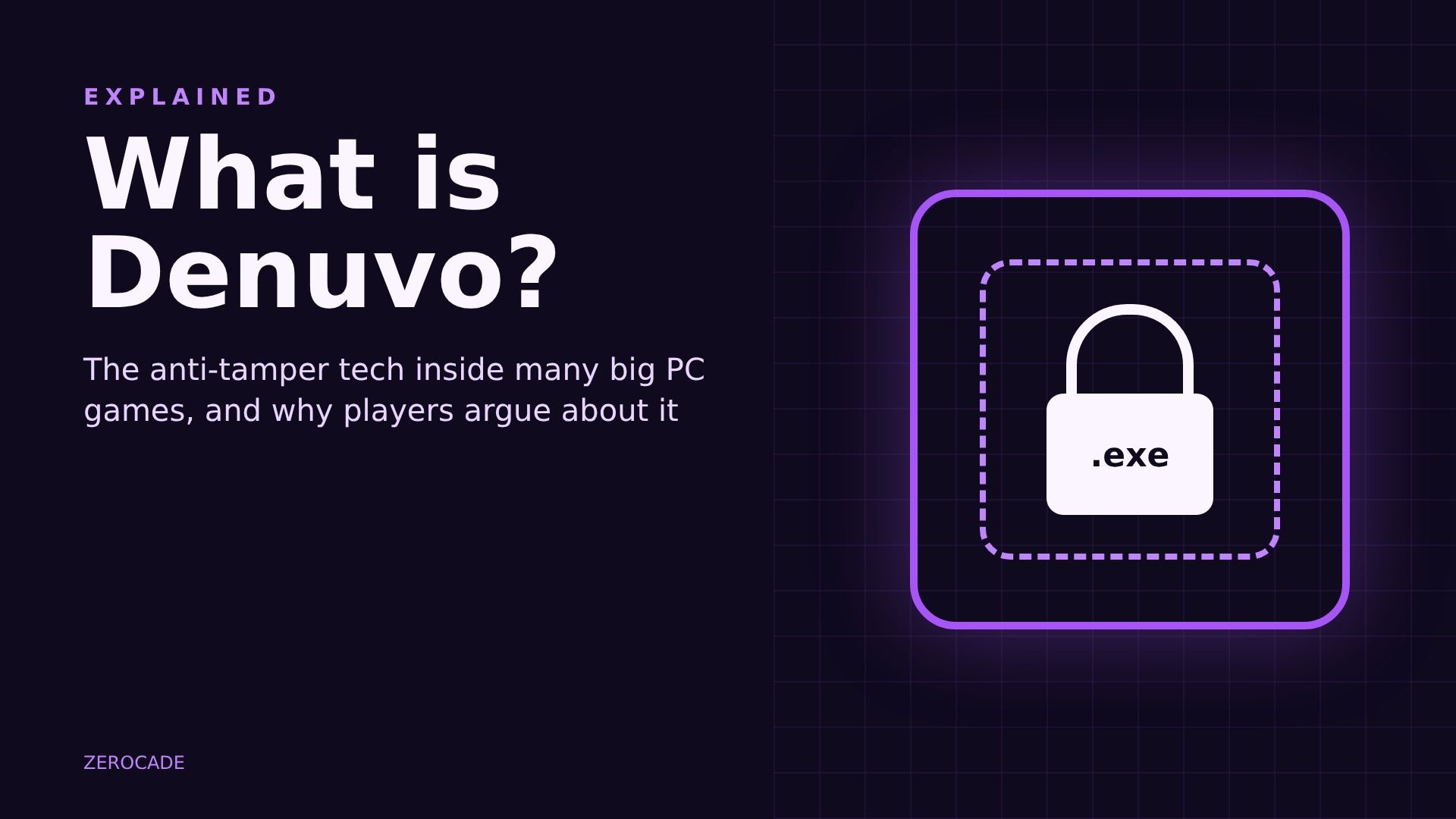
- Denuvo Anti-Tamper is software that publishers add to PC games to make them much harder to crack in the first weeks after launch.
- It doesn't replace Steam's own copy protection. It protects that protection, by scrambling the game's code so crackers can't simply remove the licence check.
- Publishers use it because most of a big game's sales happen at launch. Many remove it later, once sales slow down.
- Players complain about possible performance hits, online activation and activation limits. How much it affects performance has long been argued over.
Why it's in the news
Phantom Blade Zero just sold 4 million copies in three days, and its Steam page lists "Denuvo" under third-party DRM. Steam shows this kind of note on store pages, and you'll see it on many big launches. Here's what it actually does.
DRM vs anti-tamper
DRM (digital rights management) is any system that checks you're allowed to play a game. On PC, the store usually handles it. Steam, for example, checks that your account owns a licence before the game starts.
The problem is that a basic store check is easy to remove. Crackers find the part of the game's code that asks "does this person own the game?" and patch it to always answer yes.
Anti-tamper is a second layer that stops people changing the game's code, including that check. Denuvo is an anti-tamper product. It was created by Denuvo Software Solutions in Austria, a company spun out of Sony DADC in 2013, and has been owned by the Dutch security firm Irdeto since 2018.
How Denuvo works, step by step
The exact method is secret, but the broad idea is known:
- The game is wrapped before release. The developer sends Denuvo the finished game. Denuvo weaves its own encrypted, deliberately confusing code into important parts of the game's program.
- You press Play. The store DRM checks your licence as usual.
- Denuvo checks that nothing has been changed. Its code confirms the licence check wasn't tampered with, using an online activation linked to your account and PC.
- The game runs. Activation needs an internet connection the first time. Denuvo may check in online again later, for example after a hardware change or an update.
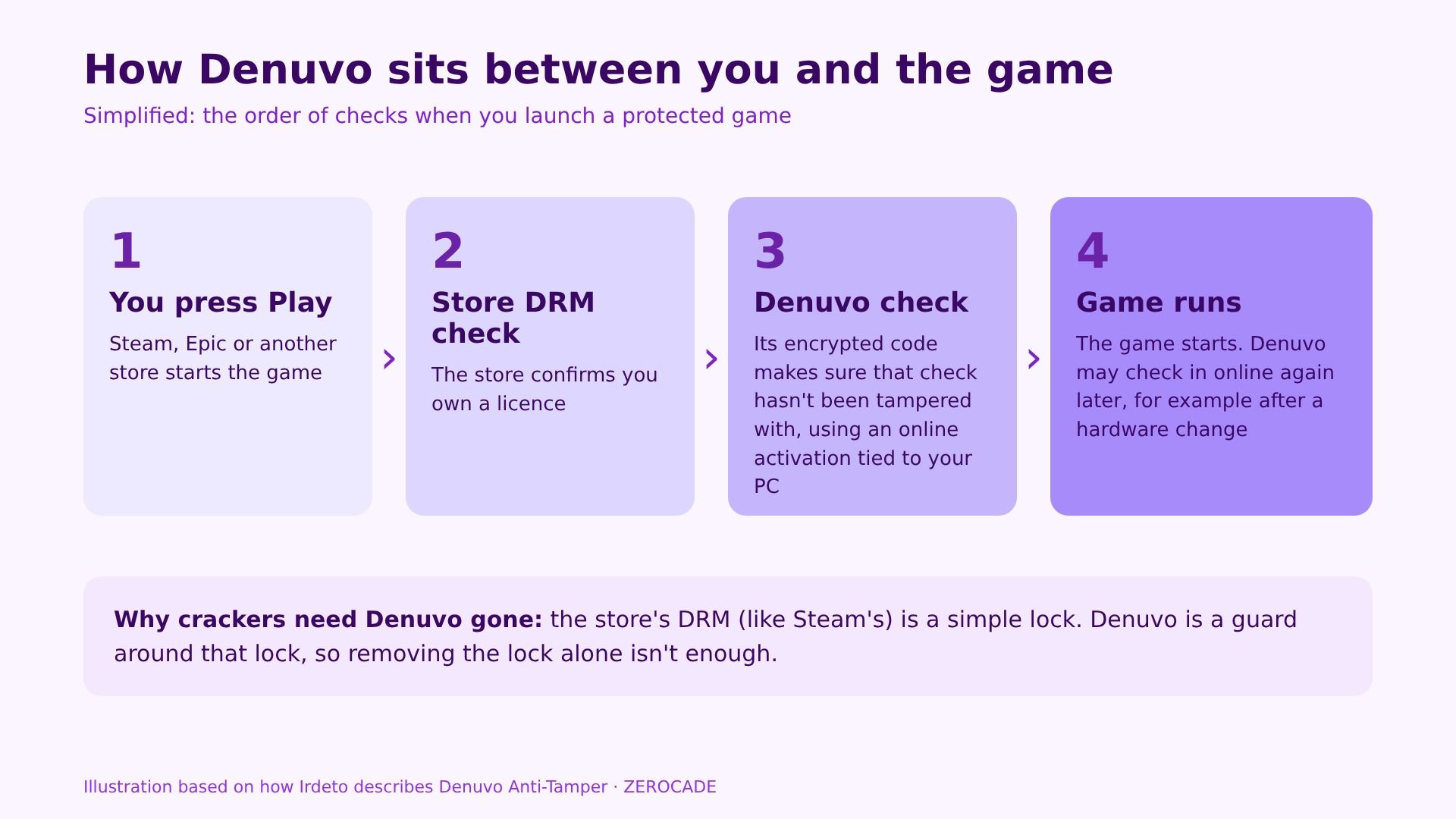
Image: Zerocade
Because Denuvo's checks are spread through the game and wrapped in layers of obfuscation, cracking it takes skilled people a long time. Some Denuvo games are cracked within days or weeks. Others stay uncracked for months, or never get cracked at all.
Why publishers pay for it
Big games sell most of their copies in the first few weeks. Irdeto's argument is simple: if a game can't be pirated during that window, more people buy it instead of waiting for a free copy.
That's also why so many games remove Denuvo later. Once the launch rush is over, the protection matters less, and the licence costs money. id Software removed it from Doom (2016) in a December 2016 update, and many other publishers have done the same months or years after launch.
Consoles don't need any of this. PS5, Xbox and Switch 2 are closed systems that control what software can run, so Denuvo is a PC thing.
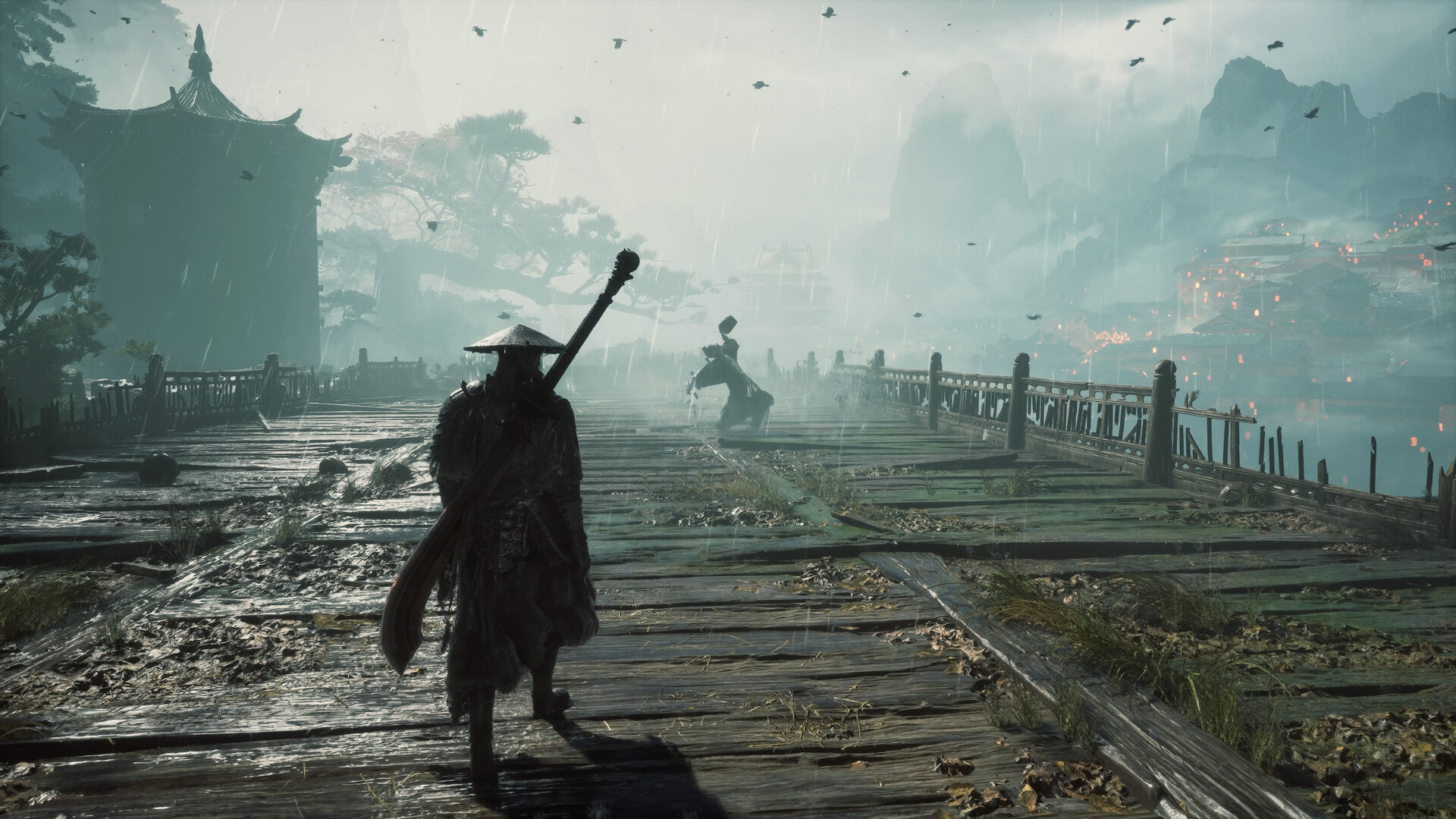
Image: S-GAME, Steam store page
Why players argue about it
There are three main complaints.
Performance. Denuvo adds extra code that runs alongside the game. Irdeto has long said it doesn't hurt performance in a way players would notice. Critics point to cases where games ran better after protection was removed or changed. In 2021, for instance, players blamed DRM for stutter in Resident Evil Village's PC version, and a later Capcom patch improved it. Results vary from game to game, and it's hard to separate Denuvo's impact from everything else a patch changes.
Online activation. You need an internet connection to activate the game the first time, and sometimes again later. For most players that's fine. For anyone with patchy internet, it's a real annoyance.
Hardware changes. Because activation is tied to your PC, swapping parts or reinstalling can trigger a new activation. Some players have reported hitting activation limits after doing this too often in a short time. There have been odder problems too: when Intel's 12th-gen Alder Lake chips launched in 2021, some older Denuvo games wouldn't start because the new E-cores made the PC look like a different machine. Patches fixed most of them, as our P-cores and E-cores explainer covers.
There's also a fairness argument. Pirates who wait for a crack eventually get a version without Denuvo, while paying customers keep it until the publisher removes it.
Denuvo isn't anti-cheat
Denuvo Anti-Tamper is about piracy, not cheating. Irdeto does sell a separate Denuvo Anti-Cheat, but it's a different product. Doom Eternal added it in 2020 and removed it after a player backlash. Phantom Blade Zero is single-player, so anti-cheat doesn't come into it.
How to check before you buy
On Steam, look on a game's store page for a note about third-party DRM. If it names Denuvo, the game uses it. If that matters to you, check whether the game needs an online account, and look at recent reviews for performance complaints before you pay.