The short version
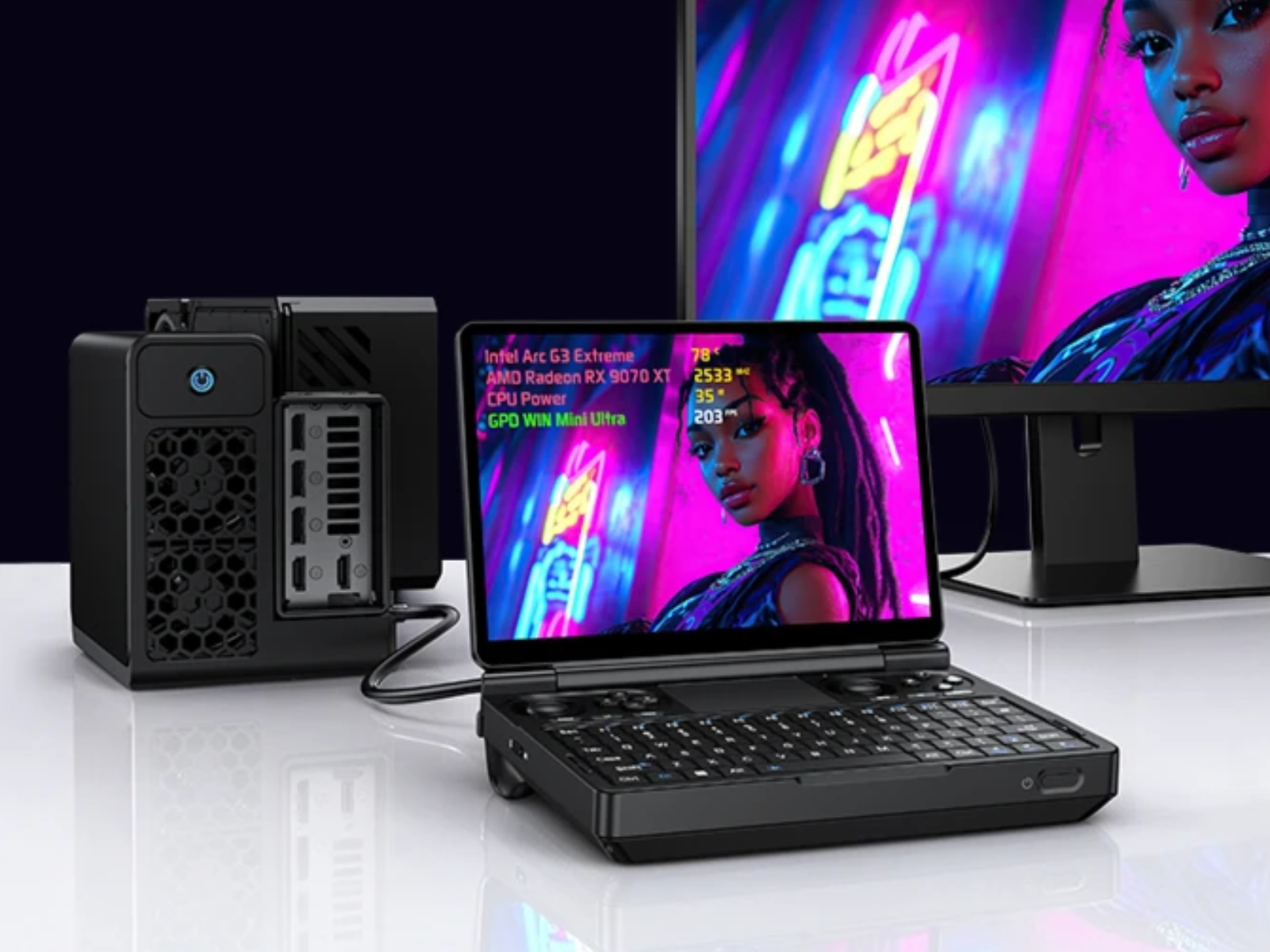
- AMD's Ryzen AI Max chips work on the same idea as Nvidia's new RTX Spark: CPU and powerful graphics on one chip, with memory shared between them.
- The big difference: AMD's chips use the regular x86 design, so games and anti-cheat don't need special support.
- They're already on sale in India. ASUS sells three models, from ₹1,79,990.
- RTX Spark laptops went on sale globally on October 16, from $2,599 in the US, but India pricing hasn't been announced.
How it compares to RTX Spark
 Image: Zerocade
Both skip the separate graphics card. Both share one pool of fast memory between the CPU and the graphics, up to 128GB, which helps with games and with running AI tools on the laptop itself. A normal gaming laptop splits memory between system RAM and the graphics card's own VRAM, usually 8GB to 16GB on mid-range cards. Our unified memory explainer covers why the shared approach matters.
The difference is the processor. RTX Spark pairs Nvidia's Blackwell graphics with up to 20 Arm CPU cores, and PCWorld says its graphics match an RTX 5070 "at least on paper". But because it's Arm, some Windows games need extra work before they'll run, and some anti-cheat systems don't support Arm at all. AMD's chips are x86, the same as every other Windows gaming PC, and AMD says there's "no emulation layer". Our kernel anti-cheat explainer covers why that matters for online games.
The top AMD chip, the Ryzen AI Max+ 395, has 16 Zen 5 CPU cores, Radeon 8060S graphics with 40 compute units, and support for up to 128GB of memory. AMD has also shown a Ryzen AI Max+ Pro 495 with up to 192GB.
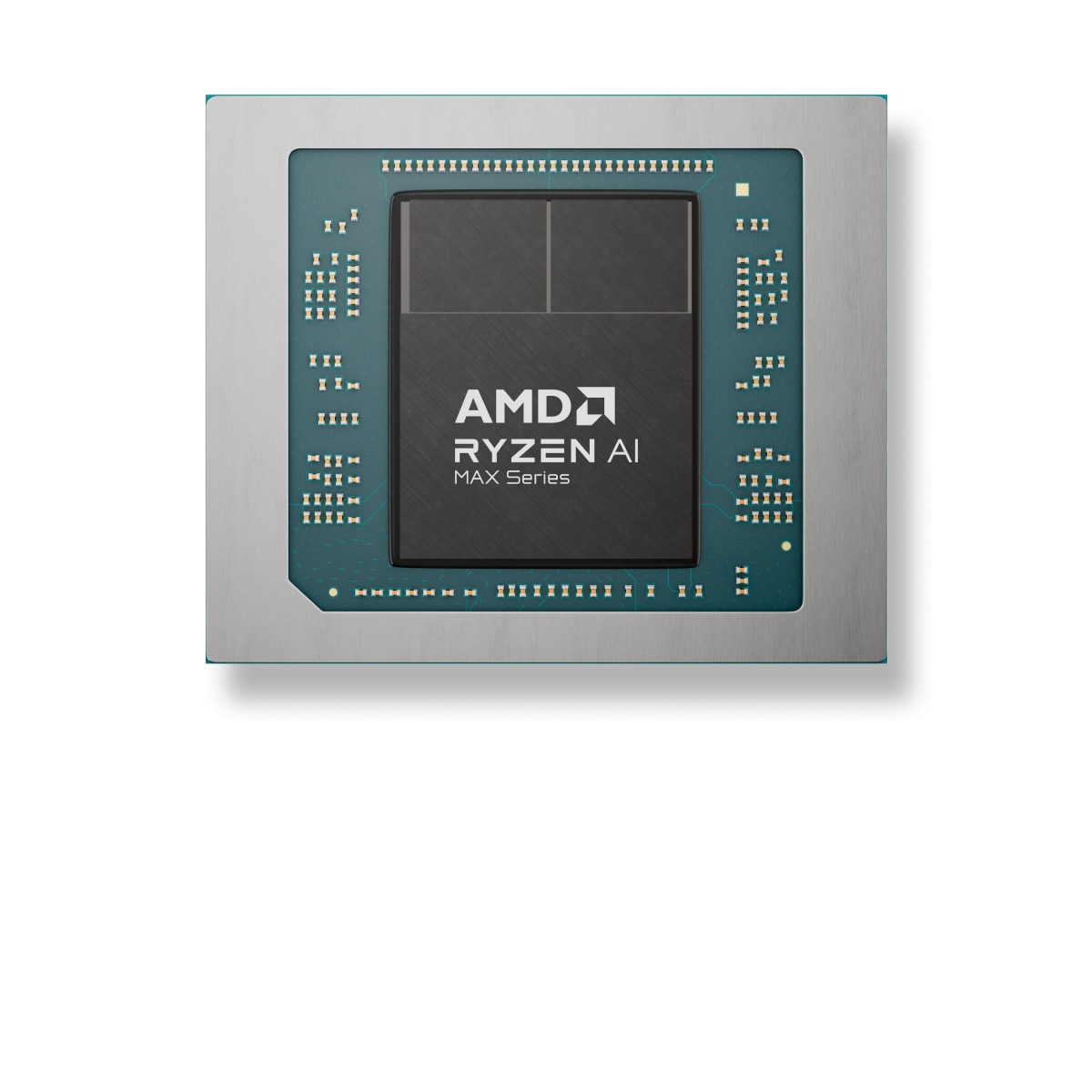 Image: AMD
The ASUS laptops in India
 Image: Zerocade
ASUS launched all three here in February 2026:
- TUF Gaming A14 (2026): Ryzen AI Max+ 392 (12 cores), 32GB, 14-inch 2.5K 165Hz screen, 1.48kg. ₹1,79,990.
- ProArt GoPro Edition PX13: Ryzen AI Max+ 395, up to 128GB, 13-inch 3K OLED touchscreen. ₹3,34,990.
- ROG Flow Z13-KJP: Ryzen AI Max+ 395, 128GB, a 13.4-inch 2.5K 180Hz 2-in-1. ₹3,79,990.
They're sold online and in stores, including Croma and Reliance Digital.
RTX Spark laptops, for comparison
RTX Spark laptops come from six brands: ASUS, Dell, HP, Lenovo, Microsoft and MSI. PCWorld's launch list has the Surface Laptop Ultra from $2,600, the ASUS ProArt P14 and P16 from $2,600 and $2,800, the Lenovo Yoga 9n from $3,000, the HP OmniBook Ultra 16 from $3,200, and the Dell XPS 16 Creator Edition from $3,800. Top configurations run to about $7,000.
Even the cheapest works out to about ₹2.5 lakh converted, before Indian taxes and duties, and none is on sale here yet.
Gaming without a graphics card?
The TUF A14 is the interesting one for gamers. It's a gaming laptop with no separate graphics card at all, so the built-in Radeon 8060S does all the work. Reviews of earlier Ryzen AI Max laptops have compared the Radeon 8060S to a mid-range laptop graphics card, with results that swing a lot with the game and the power limit.
A YouTube video, "Gaming Without GPU… RTX 5050 Level? | Asus TUF Gaming A14 (2026)", tests exactly that question. We haven't tested it ourselves, so watch the video for the numbers.
The trade-off is power. These chips are at their best when plugged in, and like any thin laptop, sustained performance depends on cooling. Our thermal throttling explainer covers why.
Our take, on paper
RTX Spark is the newer platform with the bigger numbers, but it has no India price yet, and its game support is still growing. AMD's version is here now, runs your games as they are, and starts at ₹1,79,990. For an Indian buyer who wants a thin laptop that games well without a separate GPU, the TUF A14 is the practical pick today.
What to watch: whether the 192GB Ryzen AI Max+ Pro 495 reaches laptops in India, and what RTX Spark costs when it lands here.